Importance of Gypsum in Cement Industry and Agriculture
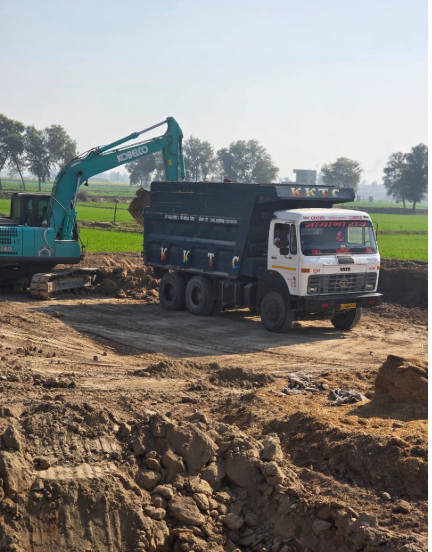
Gypsum plays a vital role in both the cement industry and modern agriculture, making it one of the most valuable natural minerals used today. In cement manufacturing, gypsum is added during the grinding process to control the setting time of cement. Without gypsum, cement would harden too quickly, making it difficult to use in construction. High-quality cement-grade gypsum ensures better strength, smooth finishing, and improved durability of construction materials. This makes gypsum an essential component for producing reliable and long-lasting infrastructure.
In agriculture, gypsum is widely used as a soil conditioner that improves soil structure and fertility. It helps reduce soil salinity and alkalinity, allowing roots to grow more effectively. Agricultural gypsum enhances water penetration and supports better nutrient absorption, resulting in healthier crops and increased yield. Farmers especially benefit from gypsum in areas with hard or compact soil conditions.
Additionally, gypsum is an eco-friendly and natural mineral that does not harm the environment when used properly. Its dual benefits in industrial and agricultural sectors make it highly demanded across markets. Reliable suppliers ensure consistent quality, proper packaging, and timely delivery, helping industries and farmers achieve better productivity and sustainable growth through the effective use of gypsum products.